🎁 Educational gift ideas: a present they'll still use in March
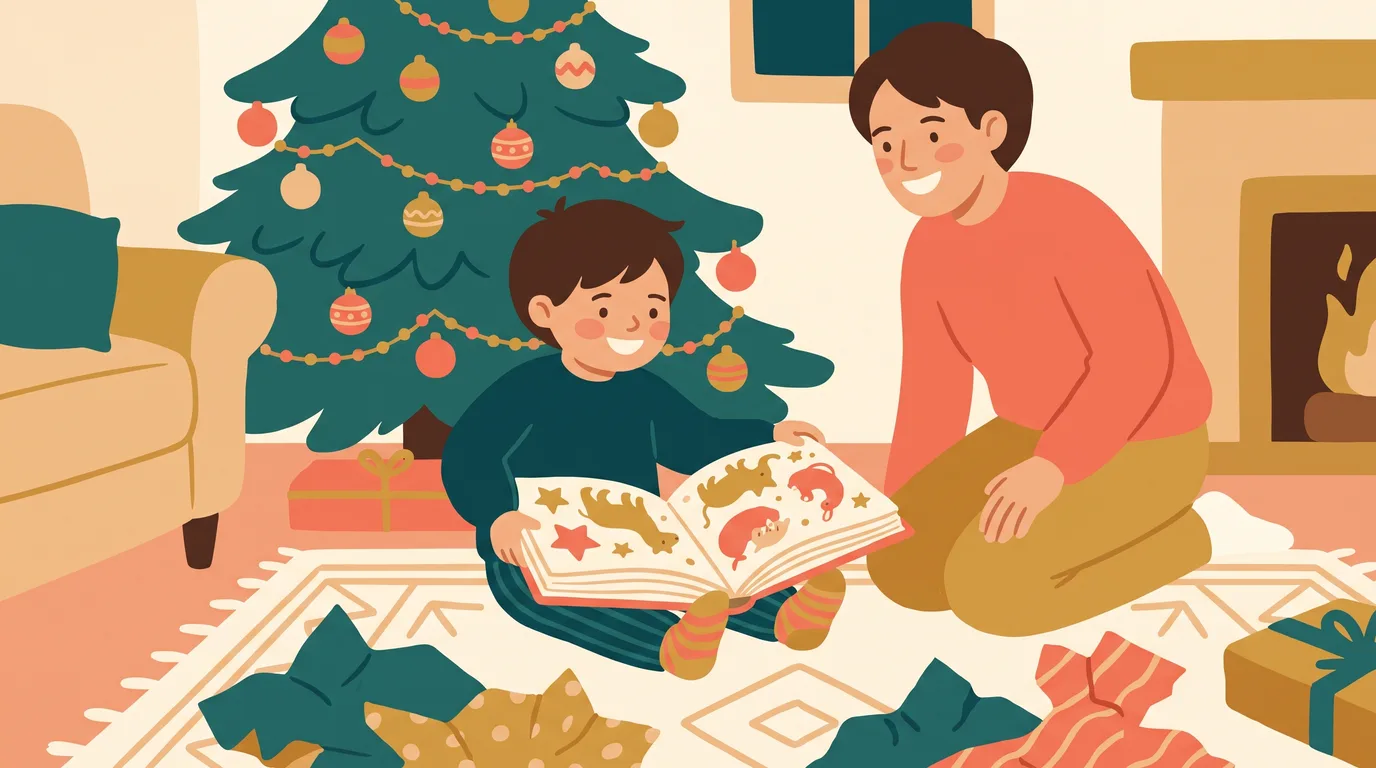
Every year, it's the same story. On 25 December, the 'educational' toy is a big hit. By 10 January, it's gathering dust at the back of the cupboard, batteries flat. If you're looking for an educational gift for a child but want something they'll still use in March, good news: it's possible, and often costs less than a gadget.
Here's how to spot a truly educational gift, a selection by type and age, plus some clever ideas for grandparents.
Why do so many 'educational' toys end up forgotten?
The 'educational' label is everywhere, but it doesn't mean much. A toy that does everything for your child (talks, flashes, congratulates) keeps them busy for a few days, then bores them. Once they've tried everything, there's nothing left to invent.
A good educational gift works the other way round: your child does the work. They build, read, keep score, or solve problems. That's exactly why they keep coming back to it.
Three signs to watch out for in the shop:
- Only one possible use: once the challenge is done, there's nothing left to do.
- Lots of sounds and lights: the toy is more active than your child.
- Big promises: “They'll be reading in 3 weeks!” No toy can do that.
The 4 signs of a long-lasting educational gift
You don't need to be a teacher to choose well. These four criteria are enough.
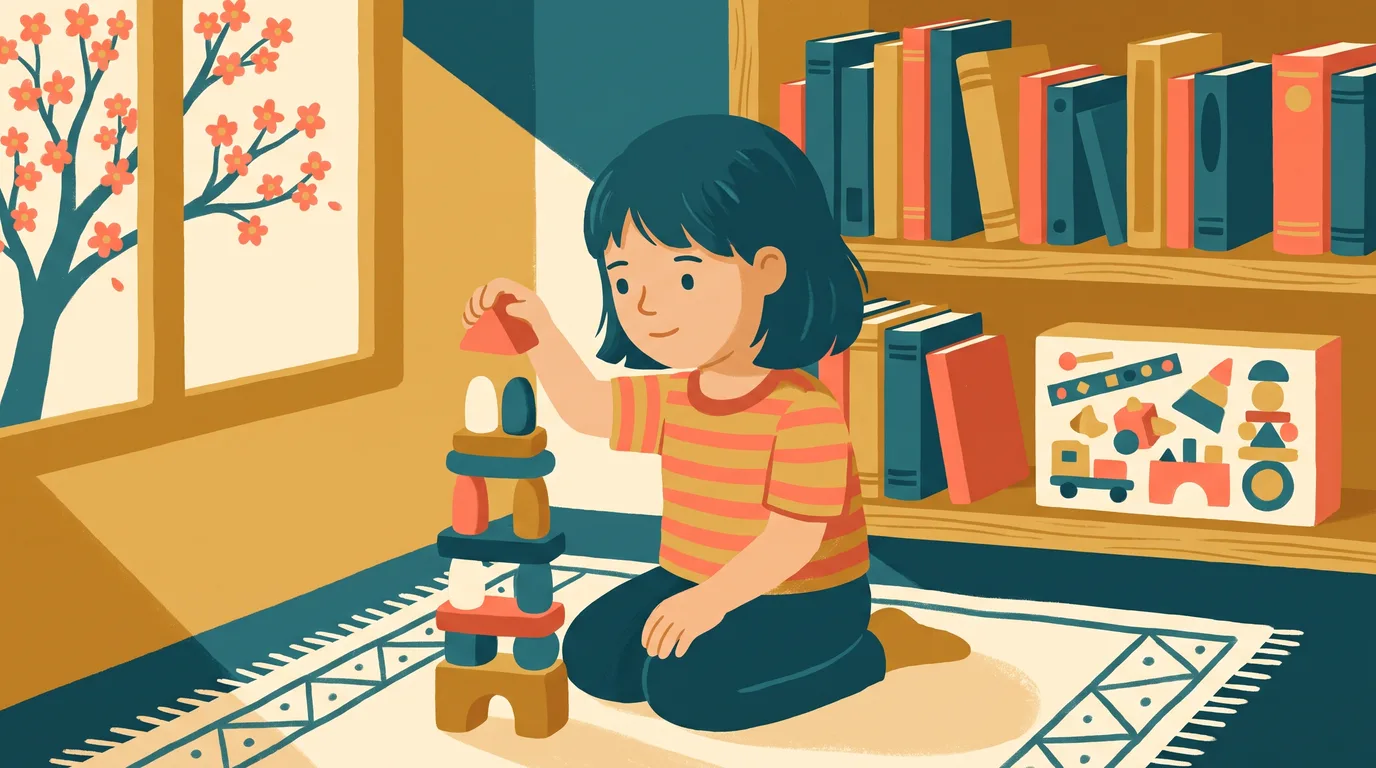
- It's open-ended. There are lots of ways to use it: a construction set, a book to reread, a card game with rules you can invent.
- It grows with your child. A board game where you can make the rules harder, a book series you first look at for the pictures, then read for the story.
- It can be shared. The best gifts are played together or as a family. A parent at the table is already half the learning.
- It's attractive. We keep beautiful things. They go on a shelf, not in a random box. A well-made book can be passed down to a younger sibling.
A gift that ticks three out of four boxes is likely to still be in use come spring.
Our pick of educational gifts by type
Instead of a list of brands that changes every year, here are the main types of gifts that stand the test of time, and the skills they develop.
| Type of gift | Suggested age | What it develops | Lifespan |
|---|---|---|---|
| Construction set (bricks, magnetic pieces) | 4-10 years | Logic, spatial awareness, patience | Several years |
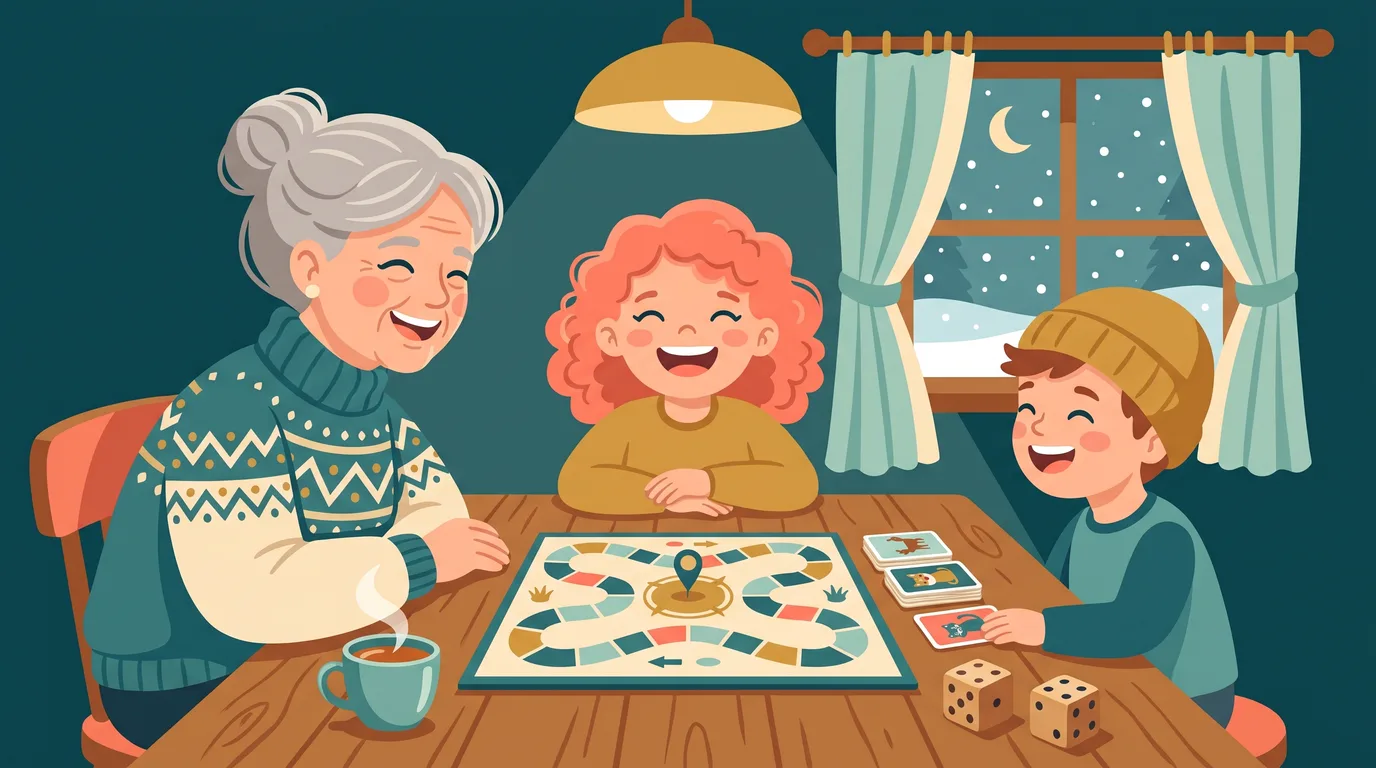
| Cooperative board game | 5-10 years | Teamwork, reading rules, strategy | 1 to 3 years |
| Card or dice game | 6-11 years | Mental maths, memory, speed | Several years |
| Science experiment kit | 7-11 years | Curiosity, observation, following instructions | A few weeks to a few months |
| Beautiful hardback book or bound workbook | Ages 5-11 | Reading, vocabulary, independence | Can be reread and passed on |
| Simple musical instrument | Ages 5-10 | Listening, rhythm, coordination | Depends on your child's interest |
The science kit is often the most eagerly awaited… and the quickest to finish. It makes a fantastic gift, especially if you pair it with something that lasts longer.
Books: the most underrated educational gift
Books are often seen as less exciting than toys. Yet, they tick all the boxes: open-ended, shareable, long-lasting, and beautiful when chosen with care.
The secret is to pick a book that invites hands-on exploration and makes your child want to come back to it. Not a dry textbook, but a real object to treasure. That’s the spirit behind our 1950s School workbooks: activities inspired by the past, presented as lovely hardback books, much like the prize books once given at the end of the school year. Children can browse, fill them in bit by bit, and proudly keep them on the bookshelf.
For children who love a challenge, learning games also make excellent gifts. We’ve gathered several in our article games for learning times tables: perfect for turning a simple deck of cards into a clever present.
Clever ideas for grandparents
Grandparents often want to give 'something useful'. The risk: a workbook that feels too much like school under the Christmas tree. The trick is to choose something useful that still feels like a real gift.
- A book of memory tricks to share. The Big Book of Memory Tricks brings together clever ways to remember rules, dates, or tables, from CP to CM2. It’s perfect for browsing together—and sometimes even grandad discovers a trick he never knew.
- An experience instead of an object. A trip to a museum, an afternoon baking together (measuring, weighing, reading a recipe). Wrap up a homemade ticket.
- A board game that stays at grandma’s. A game that lives at the grandparents’ house and comes out at every visit. It becomes a special tradition.
The best educational gift from grandparents is often simply the time spent playing together.
An educational gift on a small (or zero) budget
Not everyone wants to spend a lot in December. Here are a few low-cost ideas:
- a deck of 52 cards and a list of games to play (addition battles, times tables memory);
- a bound notebook and some lovely pencils for a 'holiday journal';
- a 'Sunday challenge' box filled with handwritten riddles;
- a printed and bound activity book with a nice cover: the free Kidibook activity book is perfect for this.
It’s not the price that makes a great educational gift. It’s how much your child wants to come back to it.
In summary
When looking for the perfect educational gift, forget the promises on the packaging. Choose something open-ended, that grows with your child, can be shared, and is beautiful. A well-chosen book, a board game, or a construction set: three reliable choices that will still be enjoyed long after the holidays. And in March, when your child picks up their gift again on their own, you’ll know you chose well.
Want to put these tips into practice?
Every day, a new adventure workbook adapted to your child's school level — to print or do on screen. No commitment.
Your questions
What educational gift should I give a 6-year-old?
At age 6, children start CP and begin learning to read. A beautiful book to browse, a simple board game that involves counting, or a construction set are all safe bets. Avoid toys that do everything for them: at this age, children need to handle things and figure things out for themselves.
Is a workbook a good Christmas present?
Yes, as long as it feels like a gift and not homework. Choose a lovely bound book with illustrations and varied activities, and give it with no pressure to complete it. Your child will come back to it if they want to.
How can I tell if a toy is truly educational?
Look at who’s doing the work. If your child is building, thinking, reading, or counting, the toy is educational. If the toy talks, flashes, and gives all the answers, your child will soon lose interest. A good test: can it be played with in more than one way?
What useful gifts can grandparents give without it feeling like school?
A book of memory tricks to browse together, a board game that stays at their house for visits, or an outing (museum, baking workshop). The idea is to offer a shared moment as much as a gift.
Read next
 Parent Guide
The "summer slide": why your child forgets, and what to do
Learning loss over the school holidays isn’t inevitable: here’s how to prevent it in just 10 minutes a day…
 Holiday Activity Books
Vacation workbook: how to choose it well, class by class (Kindergarten → CM2)
Level, length, answer keys: the 5 things to look for in a summer workbook that truly suits your child, class by class…
 Holiday Activity Books
Free printable Kindergarten summer workbook: prepare for CP without pressure
Free printable Kindergarten (age 5-6) holiday workbook in PDF, no email needed: letters, sounds, numbers, handwriting… plus our tips for a smooth start to CP