✏️ Preparing for entry into CP during the summer: the 7 real priorities
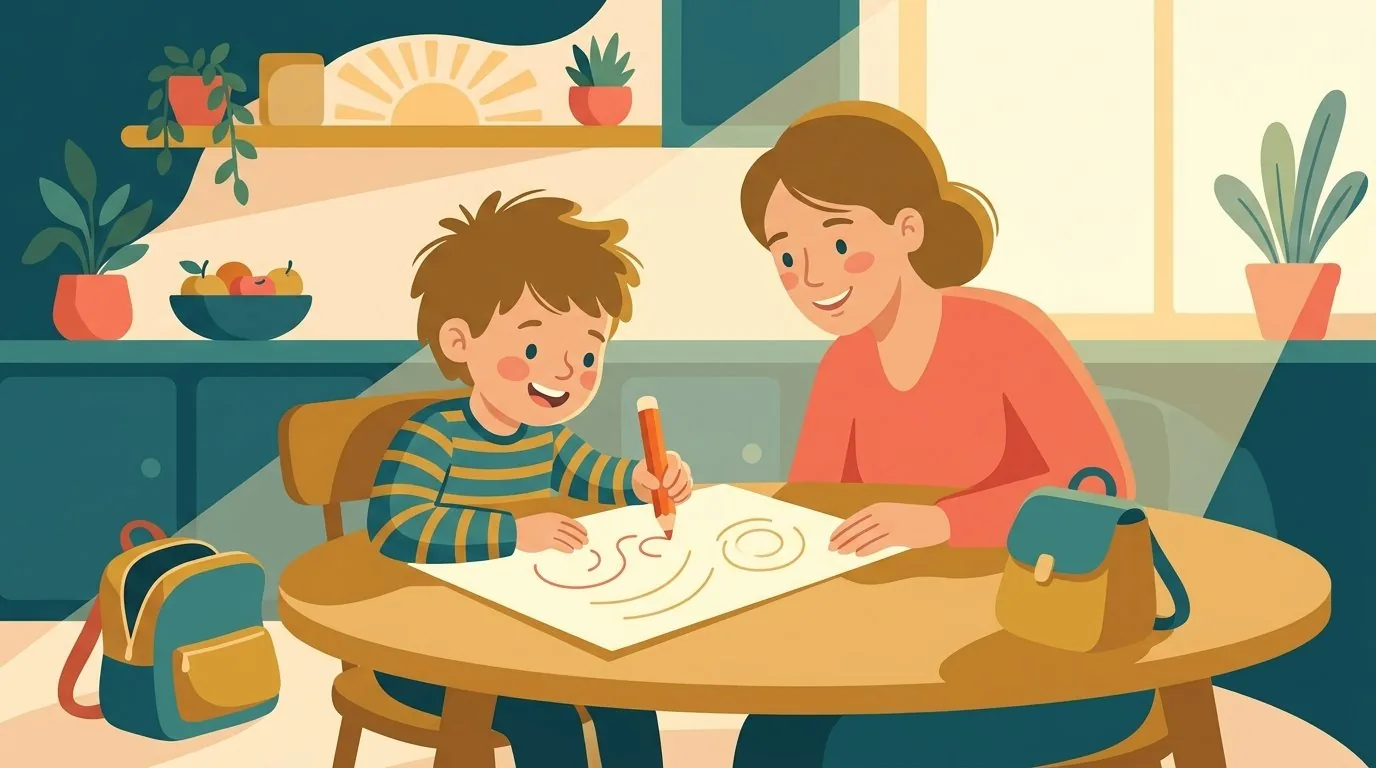
Starting CP (6-7 years old) is THE big milestone of primary school: the one where you “learn to read.” Naturally, it’s intimidating — for parents as much as for children. Good news: to properly prepare for entry into CP, there is no need to “cram” this summer. Your child does not need to know how to read before September. They need to be comfortable with a few gestures and habits that can be gently established between swims. Here are the 7 real priorities, what will be learned naturally in class, and a 10-minute ritual that is enough.
Preparing for entry into CP: the 7 real summer priorities
A CP teacher does not expect a child who already reads. They expect a child ready to learn : able to hold their pencil, listen to instructions, and sit still for five minutes. Here are the seven skills that make all the difference at the start of school.
- Hold the pencil correctly — in a pinch grip, between the thumb and index finger, resting on the middle finger. This is the gesture that conditions all future writing.
- Recognize the letters of their first name, then a few others, and know how to write their first name in capital letters.
- Listen to and follow a simple instruction to the end: "take your red pencil, circle the circles."
- Be autonomous : dress themselves, go to the toilet, open their water bottle and snack, tidy up their things alone.
- Counting up to 10 by pointing to each object, and recognize small quantities at a glance.
- Stay focused for a few minutes on a quiet activity without getting up.
- Clearly say what they need : raise their hand, ask for help, put words to an emotion.
Do you notice that reading does not appear on this list? This is intentional. Decoding is the job of CP, not a prerequisite. However, playing with sounds wonderfully prepares the ground (we'll come back to this below).
What your child will learn in CP (and that you don't have to teach them)
Parents' biggest fear is to "fall behind." To reassure you, here is clearly what belongs to home this summer... and what is the teacher's job starting in September. No need to do the program in advance: you might mostly teach things differently than the class.
| To maintain at home this summer | What is learned in CP class |
|---|---|
| Hold their pencil, write their first name | Cursive writing (joined letters) |
| Recognize letters, play with sounds | Decoding: associate letters and sounds to read |
| Count and manipulate up to 10 | Numbers up to 100, additions and subtractions |
| Listen to a story to the end | Comprehension of texts read alone |
| Autonomy, listening to instructions | Group work, school rhythm |
Your child is finishing grande section ? They have already laid all these foundations in maternelle (preschool for ages 5-6). Summer is only a maintenancebreak, not a catch-up. If you want to gently continue the momentum of GS, our article on the grande section holiday workbook details activities that prepare for CP without ever forcing.
Prepare for entry into CP gently: the 10-minute ritual
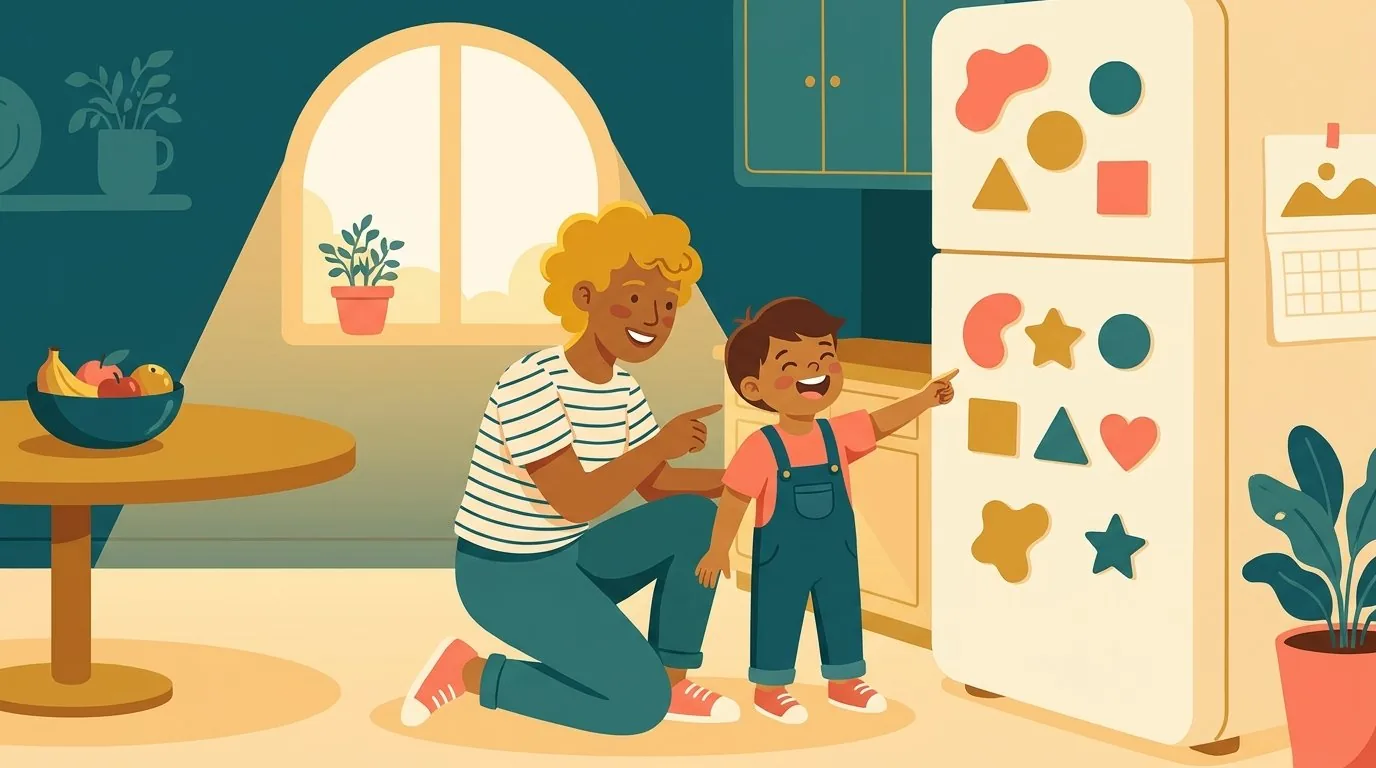
No need for an hour of school at home. At 5-6 years old, attention span is short: regularity matters much more than duration. Ten minutes, always at the same time (often in the morning, fresh brain), is more than enough. Here are three mini-rituals to alternate depending on the day's mood.
Play with sounds
This is the best preparation for reading, and it is done orally, without worksheets. "What sound does the word sssserpent at the beginning?", "Find me a word that rhymes with cat ", "I say bo-at, you tap once per part." These games develop phonological awareness : the key that will make decoding much easier in CP (Cours Préparatoire, ages 6-7).
Approaching syllabic reading
For curious children already asking to "read," no need to rush: start with simple sounds, one syllable at a time (the famous b-a, ba), never skipping steps. This is exactly the spirit of our 1950s-style syllabic reading manual : sounds are introduced step by step, old-fashioned, for a calm first contact with reading. If your child is not eager, don’t force it — CP is there for that.
Counting in real life
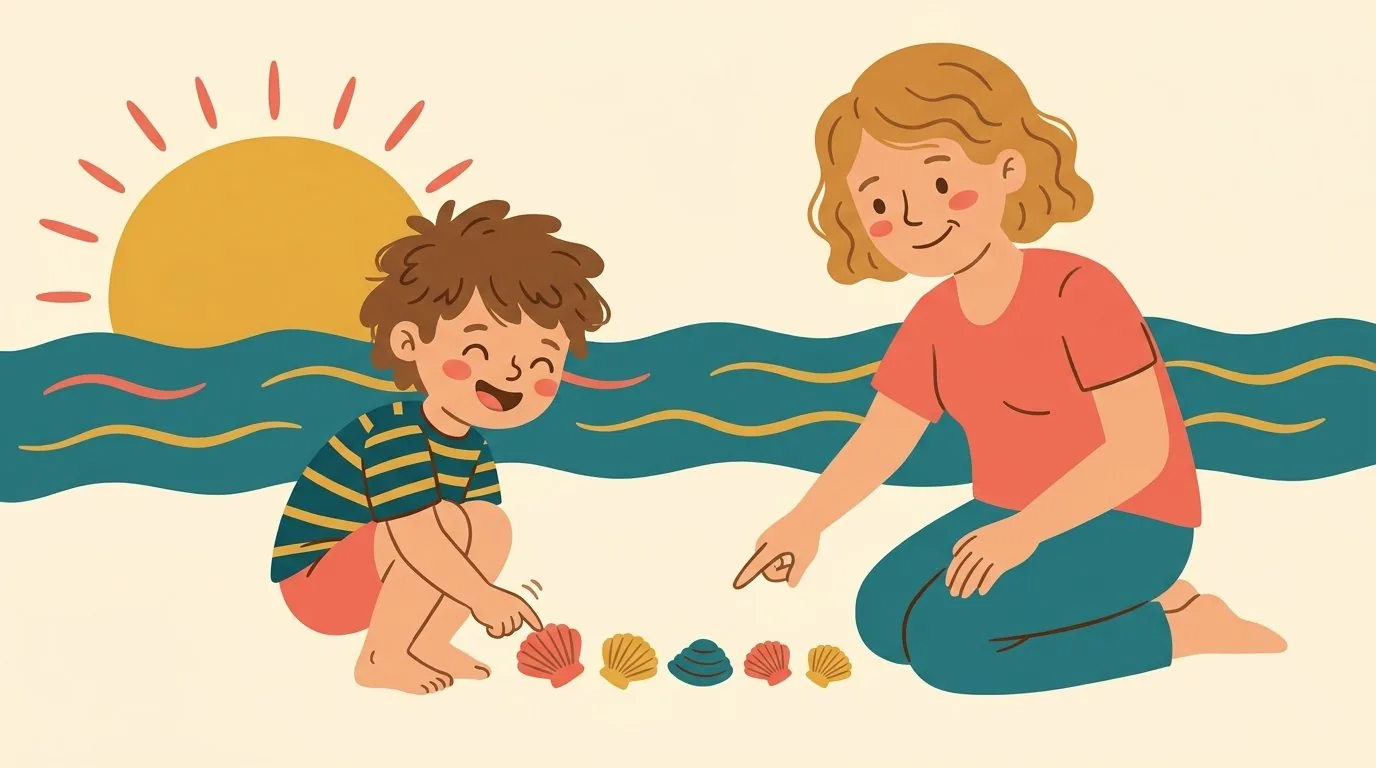
Summer math is in the kitchen and on the beach: counting seashells, setting the table for four, weighing flour, giving change at the ice cream vendor. Handling real objects anchors numbers much better than a worksheet.
The schedule for the last weeks before CP
The real challenge at the end of summer is not academic, it is logistical and emotional : resetting the rhythm and creating desire. Here is a realistic plan.
| Period | Goal | Practically |
|---|---|---|
| July | Real vacation | We play, get bored, read stories at night. Nothing imposed. |
| Early August | Little rituals | 10 minutes of sound or counting games, when the mood strikes. |
| Mid-August | The writing gesture | Write your name, color inside the lines, cut, hold the pencil. |
| Last week | Reset sleep | Bedtime moved earlier by 15 minutes per day, fixed wake-up time. |
| The day before | Create desire | Prepare the schoolbag together, locate the school, talk about it with joy. |
A child who starts CP confident, rested, and proud of their schoolbag has already won the essential part. The rest — reading, writing, counting — is the work of the year, and they are in good hands. And if the return worries you anyway, our article on the “summer slide” and the 10 minutes that are enough puts things in perspective: a few regular moments weigh much more than long endured sessions.
In summary: for prepare for entry into CP, forget cramming. Seven small priorities, ten minutes of play per day when the mood strikes, a reset sleep schedule, and lots of enthusiasm: that's the recipe for a calm back-to-school. Your child is much more ready than you think.
Want to put these tips into practice?
Every day, a new adventure workbook adapted to your child's school level — to print or do on screen. No commitment.
Your questions
Does my child need to know how to read before starting CP (Cours Préparatoire)?
No, absolutely not. Learning to read is precisely the main goal of CP: it is the teacher's work, spread over the entire year. Before the start of school, it is enough for your child to play with sounds (rhymes, syllables, first sound of words) and recognize a few letters. This “awareness of sounds” will make decoding much easier, without ever forcing it.
How to prepare for starting CP during the summer without overdoing it?
Aim for regularity rather than duration: about ten minutes a day, at the same time, in the form of games. Alternate oral sound games, counting everyday objects, and a little writing (their first name, careful coloring). Above all, allow real holidays: rest and free play are also part of the preparation.
What should a child be able to do when starting CP?
The main expectation is a child ready to learn: hold their pencil correctly, write their first name, recognize letters, listen and follow instructions, count to 10, stay focused for a few minutes, and be autonomous (dress themselves, tidy up, go to the toilet). Reading and cursive writing are learned in class.
My child is stressed about starting CP, what should I do?
Talk about it with simple and positive words, visit the school from the outside if possible, prepare the school bag together, and reset the sleep schedule during the last week. A rested child who knows what to expect and feels proud of this new step approaches CP much more calmly. An older brother or sister can also share good memories.
To read next
 Preparing for back-to-school
Preparing for entry into 6e: the calm parents’ guide for CM2
Preparing for entry into 6e without stress: what changes after CM2 (last year of primary school, around 10-11 years old), the summer checklist, autonomy skills and the n…
 Preparing for back-to-school
Revising before back to school in August: the program for the last 2 weeks
Revising before back to school in August without stress: a gentle 15-day plan to restart the rhythm and key concepts, cla…
 Preparing for back-to-school
Primary homework routine: the guide by level, from CP to CM2
Primary homework routine: what time, how long by level, the 5 steps that last all year and what to do…